

Stepping off the ferry from her small island life, 18-year-old Mara Whitefish arrives in the big city with wide eyes and a hungry heart. Perfect Tides: Station to Station, the sequel from solo developer Three Bees, is a raw, beautifully awkward sim of early adulthood. Picking up three years after the first game, this standalone experience trades secluded beaches for subway maps, chronicling a year in Mara’s life as a college student in a thinly-veiled version of Manhattan, circa 2003.
For everyone still growing and finding the disconnect between reality and expectation, Station to Station is an unmissable journey.
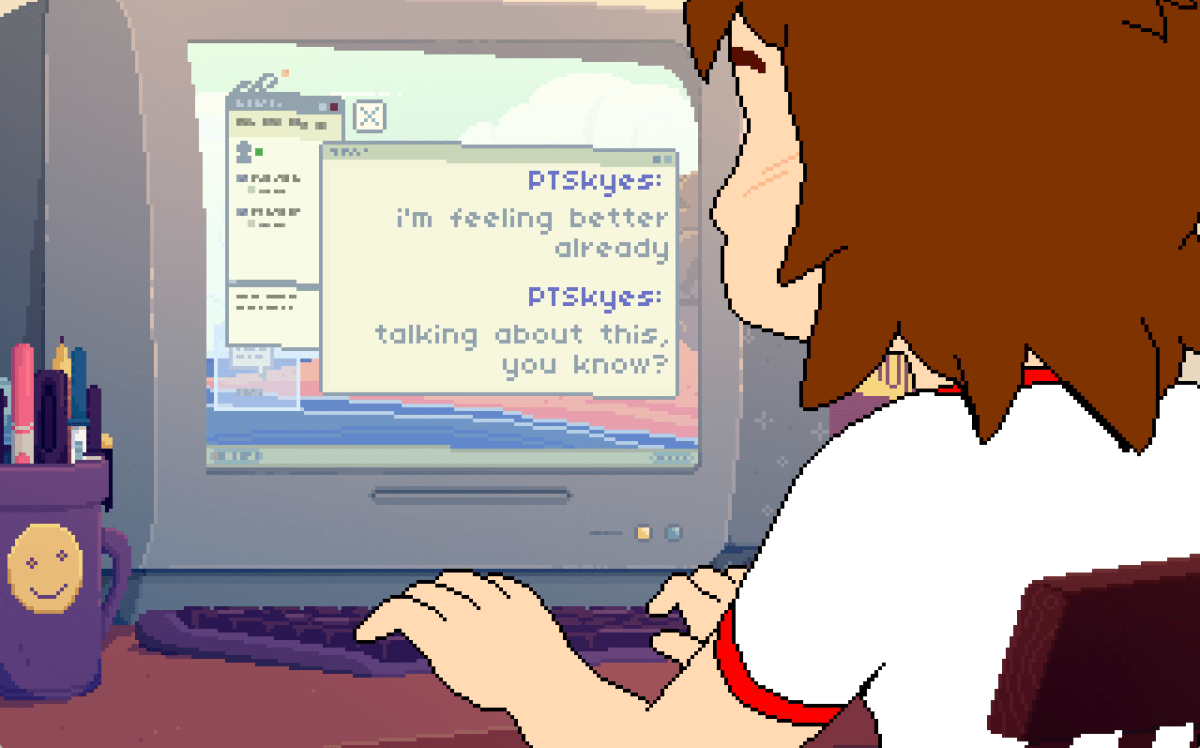
Slight Trigger Warning: Perfect Tides: Station to Station touches the topics of anxiety, low self-esteem, depression, and grief, but it does so with care and understanding. Please take care of yourself first if you need to.
The Messy, Magnificent Whiplash of Growing Up

We spent the first game Perfect Tides with Mara, dreaming of a bigger, grander life. In Station to Station, we can finally live through it, but I think just as we all realise after high school, your dreams aren’t always the happy ending that you think they might be. Three years after that game, Mara is now a college student at a university, and her dream city life isn’t as glamorous as she thought it was going to be. It’s exhausting and complicated being on your own, and it turns out that if you don’t clean up after yourself, nobody is going to do it for you.

The writing in Perfect Tides is exceptional, balancing wry humour with devastating emotional honesty. Mara’s struggles—creative insecurity, the guilt of grieving a lost parent, the anxiety of finding your tribe—are rendered with painful accuracy. Her journey is defined by complex relationships, most notably a long-distance relationship with her high-school boyfriend, Adam. Their interactions, conducted via a period-accurate clamshell phone, depict emotional manipulation and coercive control. Watching Mara contort herself to appease him is heartbreaking, and it paints a disturbingly relatable portrait of a first serious relationship gone toxic.

Yet, for all its pain, the game is filled with light. You’ll help Mara forge new friendships, experience dizzying crushes, and chase artistic inspiration through the city’s dive bars and bookshops. The narrative is structured across seasonal acts, allowing you to witness tangible growth and branching outcomes based on your choices. It captures a specific, pre-social-media moment in time—the buzz around the new iTunes store, the films on the marquee, the lingering collective trauma in post-9/11 New York—with nostalgic clarity.
Gameplay: Quiet Mechanics of Becoming

At its core, Station to Station honours classic adventure game traditions. You’ll explore over 60 detailed environments—from cramped dorm rooms and indie movie theatres to beloved local diners—by clicking around beautifully hand-drawn scenes. The real magic, however, lies in its inventive twists on the formula.
Instead of a traditional inventory of physical objects, Mara collects ideas, experiences, and knowledge. Your key tool is a mental “Notebook” that tracks concepts like Anarchism, Cinema, Sexuality, and Music. You level up these stats not through combat, but through living: reading a zine, watching a cult film, or having a late-night conversation that changes your worldview. This system brilliantly mirrors the college experience, where your mind is the true vessel for growth. You then use this accrued understanding to tackle assignments, navigate complex conversations, and essentially shape Mara’s burgeoning identity.

Navigation is streamlined through a stylish mass transit map, encouraging non-linear exploration of your new urban playground. Interaction is delightfully tactile. When Mara sits at a computer, you don’t just select “use email”—you manually click the desktop icon, watch the OS boot up, and type out searches yourself. These moments of direct interface pull you deeper into Mara’s world, making even mundane tasks feel personal and engaging.
A minor point of friction: there’s no fast-skip for previously read dialogue or descriptions. In a game about examination and replaying conversations in your head, occasionally having to re-read text can slightly disrupt the pacing.
A Love Letter to a Time and Place

The art style is evocative and packed with intimate details. Animations are subtle but expressive, using shifts in perspective and clever visual cues to convey mood. The soundtrack is a standout, seamlessly shifting from lo-fi indie rock anthems for moments of rebellion to gentle, melancholic piano pieces in times of reflection. Sound design completes the immersion, from the distinct kachunk-whirr of a dot-matrix printer to the muffled cacophony of city life outside a café window.
Perfect Tides: Station to Station
Perfect Tides: Station to Station is a triumph of empathetic, character-driven storytelling. It’s for anyone who remembers the terrifying freedom of their late teens, the agony of a bad relationship, or the quiet triumph of slowly figuring out who you are. Its gameplay innovations serve the story perfectly, creating a uniquely participatory coming-of-age experience.
While its deliberate pace and heavy thematic focus may not appeal to players seeking puzzle-heavy adventures or action, those seeking a meaningful, narrative-rich experience will find one of the most authentic video game portrayals of young adulthood ever crafted.
It’s a reminder that growing up isn’t about finding easy answers, but learning to navigate the beautiful, heartbreaking questions.

Score: 4.6/5
Perfect Tides: Station to Station is available now on Steam for PC and Mac.
[A review code was provided for this article]

